
Hezbollah Rejects Israel Talks Amid Rising Tensions and International Criticism
TL/DR –
Hezbollah has refused to negotiate directly with Israel until there is an immediate cessation of Israeli attacks. The continuing attacks have drawn criticism from the international community, including from France, Norway, Canada, Turkey, and Pakistan, with warnings of potential violations of international law, destabilization of the region, and undermining peace efforts. Amid heightened tensions and potential for broader regional conflict, Iran warned that ongoing Israeli attacks on Lebanon could derail regional negotiations, while the Lebanese government is attempting to exert greater control over the domestic security situation.
Direct talks with Israel rejected by Hezbollah
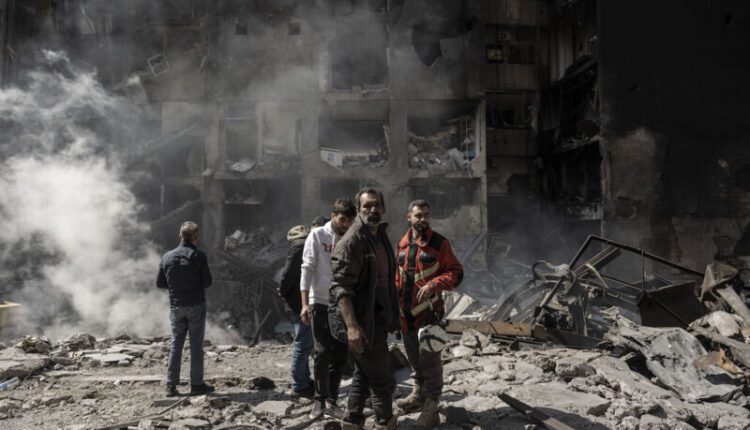
Hezbollah, backed by domestic pressure in Lebanon, has rejected the concept of direct Israel negotiations, insisting on an immediate end to Israeli attacks. The country’s public sentiment is swayed by rising casualties and mass destruction.
Global response has been immediate and negative. Emmanuel Macron cautioned that ongoing Israeli strikes damage peace efforts and destabilize the region. Norway and Canada criticized the attacks, with the latter strongly advocating for respect to Lebanon’s sovereignty.
In the region, Türkiye accused Israel of broadening its war beyond Gaza, forewarning a dangerous phase. Pakistan echoed the condemnations, emphasizing Lebanon’s inclusion in any ceasefire solution linked to ongoing US-Iran talks.
Amidst this crisis, the fragile understanding between Washington and Tehran faces increased strain. Former U.S. President Donald Trump raised concerns about Iran’s compliance with oil transit commitments through the Strait of Hormuz, adding complexity to the volatile situation.
Iran cautioned that persisting Israeli offensives on Lebanon could make ongoing diplomatic endeavors “useless,” indicating that regional negotiations could be impacted by escalation on the Lebanese front.
Internally, the Lebanese government is asserting control over security, directing the army to enforce a weapons monopoly in Beirut. This move seemingly aims to stabilize their internal environment amidst external attacks and political pressure.
However, the situation remains unstable with Lebanon excluded from current ceasefire plans and continued military operations, leading to growing fears of a wider regional conflict.
As diplomatic negotiations accelerate for upcoming Washington talks, the potential containment of violence or further deepening of regional war hangs in the balance.
(Source: Anadolu Agency)
—
Read More US Political News