

Unseen Industry Fuels Sustainable Transport
TL/DR –
The electric vehicle (EV) battery recycling industry is growing rapidly as a key element of sustainable transport, with lithium-ion batteries at end-of-life being a valuable source of lithium, nickel, and cobalt. Governments worldwide, including China, Europe, the U.S., and India, have implemented regulations and initiatives to facilitate battery recycling, and companies such as Redwood Materials and Li-Cycle are working to create closed-loop supply chains. With the potential to reduce carbon emissions by 70% compared to mining new materials and supply nearly half of the global battery production demand by 2030, battery recycling is emerging as a central part of the global clean-energy transition.
“`html
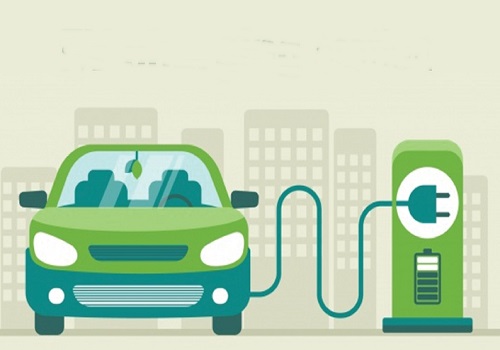
The rise of electric vehicles (EVs) on a global scale has led to the development of a crucial yet hidden industry – EV battery recycling. As millions of lithium-ion batteries reach their end of life by 2026, companies and governments are vying to retrieve essential materials such as lithium, cobalt, and nickel. The goal is to minimize waste and decrease reliance on mining, making battery recycling a pillar of sustainable transport and a key player in the clean-energy transition.
This year marked a notable milestone as the global EV fleet exceeded 300 million units, making recycling an essential strategy. China, the world’s biggest EV market, has enforced stringent rules obligating car manufacturers to monitor battery life cycles and ensure appropriate recycling. Furthermore, China’s Ministry of Industry and Information Technology extended its “Battery Traceability Platform” in 2026, directly connecting manufacturers with accredited recyclers. Following China’s lead, Europe enacted the EU Battery Regulation, which mandates that, by 2030, all batteries sold must comprise a minimum proportion of recycled materials – 16% cobalt, 6% lithium, and 6% nickel.
In the United States, the Inflation Reduction Act is spurring investment in domestic recycling facilities. Companies such as Redwood Materials, founded by Tesla co-founder JB Straubel, and Canada’s Li-Cycle have amplified their operations to process thousands of tons of spent batteries annually. They aim to establish a circular supply chain where old batteries are transformed into new ones. Additionally, the U.S. Department of Energy’s 2026 “Battery Materials Recovery Program” has initiated grants for startups that are developing environmentally friendly extraction methods that use water-based chemistry rather than high-temperature smelting.
India is also joining the competition. The Ministry of Heavy Industries introduced the Battery Waste Management Rules 2026, which necessitate EV manufacturers to collaborate with certified recyclers. Startups such as Attero Recycling and Lohum Cleantech are expanding lithium recovery plants, situating India as a regional leader for sustainable battery materials. These efforts align with the government’s broader National Electric Mobility Mission Plan, which seeks to have EVs constitute 30% of new vehicle sales by 2030.
Around the globe, innovation is on the rise. Northvolt in Sweden has launched its “Revold Ett” facility, capable of recycling 125,000 tons of batteries annually. Meanwhile, CATL in China has developed a new method that recovers 99% of lithium from used cells. Japanese vehicle manufacturers like Toyota and Honda are collaborating with local recyclers to recover rare metals from hybrid and EV batteries, hence reducing dependence on imported raw materials. At the same time, researchers in South Korea and Germany are working on solid-state battery recycling techniques, in anticipation of the next wave of EV technology.
The environmental and economic benefits of this advancement are significant. Recycling can reduce carbon emissions by up to 70% in contrast to mining new materials and prevents harmful waste from ending up in landfills. Economically, it’s generating thousands of green jobs and stabilizing supply chains disrupted by geopolitical tensions and resource scarcity. By 2030, it’s predicted that recycled materials could meet almost half of the global battery production demand.
EV battery recycling is no longer an ancillary tale; it’s the driver of sustainable transport. As regulatory requirements intensify and technological innovations continue, this industry is converting waste into wealth, assuring the electric revolution remains genuinely green. The next challenge will be to expand these solutions worldwide, turning every battery into a component of a circular economy that propels the future responsibly.
“`
—
Read More US Economic News