
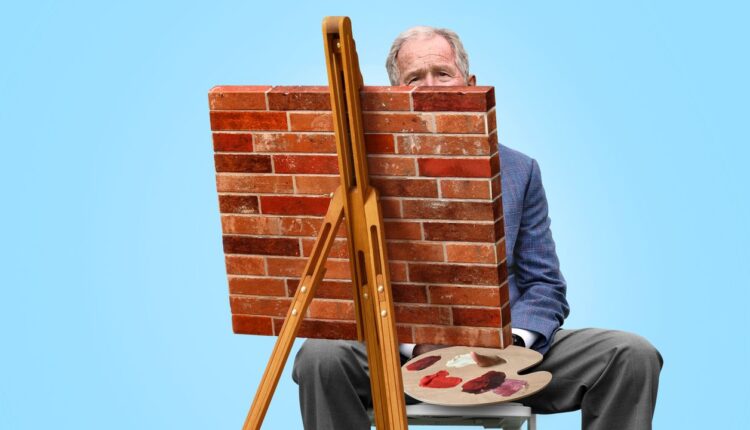
Examining the Tradition of Post-Presidential Restraint and its Exceptions
TL/DR –
Former presidents have often refrained from criticizing their successors, a tradition that has become less common in recent years. However, George W. Bush has maintained restraint for reasons beyond tradition; it is speculated he fears retaliation from Donald Trump, seeks to avoid undermining pro-Trump family members, and is particularly concerned about preserving his historical reputation, given his low approval ratings when he left office. Nonetheless, past presidents have actively criticized successors, such as Theodore Roosevelt opposing William Howard Taft, Herbert Hoover speaking against FDR’s New Deal, Jimmy Carter denouncing George W. Bush’s decisions, and Barack Obama criticizing Donald Trump.
Former Presidents Critiquing Successors: George W. Bush’s Stance
George W. Bush’s silence on his successors upholds a tradition set by George Washington after the peaceful transfer of power to John Adams in 1797. Washington’s return to private life and avoidance of public criticism established norms for Presidential transitions that helped prevent personality cults around ex-leaders.
However, this norm is somewhat flexible. For instance, after his Presidency, John Quincy Adams – who Bush admired – served as a Representative for seventeen years, during which he frequently criticized successors Andrew Jackson, Martin Van Buren, John Tyler, and James K. Polk. His political activism, including his opposition to the Jacksonian spoils system and the annexation of Texas, was significant.
The Shift in Post-Presidential Behaviour in the Twentieth Century
Even though Bush upholds this tradition, it has been eroded over time. Former President Theodore Roosevelt ran against his successor, William Howard Taft, in 1912. Herbert Hoover publicly disagreed with F.D.R.’s New Deal, and Jimmy Carter kept up an ongoing commentary on his successors, including Bill Clinton and Bush himself, whom he frequently criticized.
Similiarly, Barack Obama openly criticized Trump’s leadership style and response to the COVID-19 pandemic. Trump himself forcefully criticized his successor, Joe Biden, during Biden’s Presidency. Hence, this ‘tradition’ of post-Presidential restraint isn’t Bush’s reason for not criticizing Trump, but rather his excuse.
The Real Reasons Behind Bush’s Silence
Multiple factors affect Bush’s silence on Trump. According to anonymous sources, these include self-protection, concern for his family, including his pro-Trump nephew George P. Bush, and fear of damaging his historical reputation. He left office in January 2009 amid two wars and a global financial crisis, and with a Gallup approval rating of thirty-four per cent, one of the lowest for a departing President. He may fear that open criticism of Trump would not only position him as a target for Trump’s ire, but also resurrect people’s memories of his own tumultuous Presidency and its many failures, such as the war in Iraq.
—
Read More US Political News