
Rising Costs and Controversy Surrounding New NFL Stadiums and Public Financing
TL/DR –
The article discusses the public financing of new NFL stadiums and the disproportionately high costs borne by taxpayers. Over the next six seasons, six new NFL stadiums are scheduled to open, costing an average of over $1 billion each in public contributions. Despite economic studies showing that such investments do not generate significant economic growth and are often opposed by voters, the article suggests that team owners and politicians continue to support these projects for their personal benefits and due to incentives to construct new, extravagant facilities.
New NFL Stadiums to Launch over the Next Six Seasons
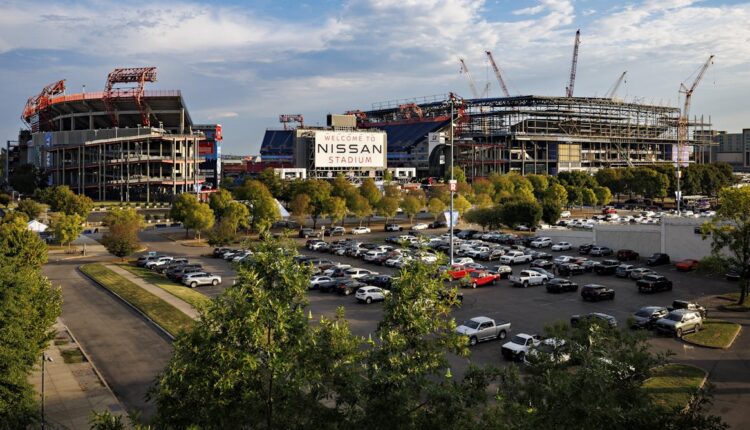
In the 2026 season, the Buffalo Bills will kick-off their home opener at the newly built Highmark Stadium, marking the first of six new NFL venues scheduled to open over the next six seasons. The Tennessee Titans will move into a new dome in 2027. The stadiums of the Cleveland Browns, Washington Commanders, Kansas City Chiefs, and Denver Broncos are set to open in 2029, 2030, and 2031 respectively.
Billion-Dollar Public Subsidies for New Stadiums
When the Bills stadium was unveiled in 2022, the US$850 million public contribution it received from New York and Erie County taxpayers was criticized as a bad deal. This was followed by even more staggering NFL stadium subsidies, totaling $5.74 billion, with the Chiefs being the top recipients at $1.8 billion.
Economic Concerns over Public Stadium Financing
Economists have long studied public financing of stadiums and their rising costs, consistently finding that the few economic benefits to host communities don’t justify the massive public expenses. This is discussed in my recent book, “This One Will Be Different: False Promises and Fiscal Realities of Publicly Funded Stadiums.”
Green Bay Packers & the 30-Year Stadium Cycle
While some stadiums like that of the Green Bay Packers can last several decades, stadiums are usually replaced after 30 years. This coincides with the lease lengths that teams typically sign with municipal landlords. When these leases expire, teams push for publicly funded improvements.
Public Funding for New Stadiums: A Win for Team Owners
Team owners have multiple incentives to build newer, more costly structures. They benefit from the surge in attendance and revenue that comes with a new venue – a phenomenon known as the “novelty effect.” Moreover, public funding not only reduces the owner’s cost of replacing a venue, but it also encourages lavish spending.
The Rising Public Opposition against Stadium Subsidies
Public scrutiny of stadium financing began in the 1980s. As leagues added more teams, reducing the number of relocation targets, one might expect subsidies to decrease. However, they have only grown. Furthermore, when the question of using tax dollars for stadium improvements is put on the ballot, voters often oppose them.
Representative Bodies More Likely to Approve Public Subsidies
A recent review of public stadium votes found that while only 58% of referendums put before voters passed, 96% of proposals considered by representative bodies were approved. Thus, teams find it most effective to bypass voters in the decision-making process for public financing.
Stadium Proposals: A Perk for Elected Officials?
Elected officials, who are mostly male and educated sports fans, may personally benefit from supporting venue projects, while passing the costs to taxpayers. Game tickets and luxury box invitations are often used as incentives, leading to criticisms such as those for New York officials attending Bills games in a publicly subsidized luxury suite.
—
Read More US Political News