
Beat the Odds: 5 Essential Tips to Sustain Your New Year Fitness Goals
Setting Up Fitness Goals For The New Year
As the New Year begins, fitness goals often come to the forefront of everyone’s mind. This typically includes renewed gym memberships, the creation of workout plans, and an overall heightened level of motivation. However, maintaining these routines can be challenging as life’s daily demands gradually take precedence.
The issue isn’t a lack of discipline or laziness. Rather, it’s how these fitness goals are initially established. When goals focus on intensity instead of sustainability, motivation can quickly wane.
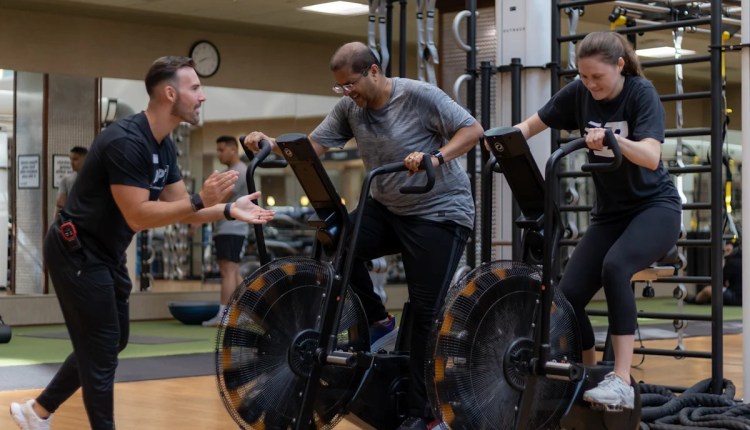
Joe Clark, a Personal Training Lead at Life Time Chestnut Hill, observes this pattern every year. He notices that the individuals who find success aren’t necessarily training the hardest during January. Instead, the key to success lies in developing habits that are still applicable when schedules become busy and motivation decreases.
Clark emphasizes, “The objective shouldn’t be a perfect January, but a routine you can still maintain by March.”
Creating Realistic New Year Fitness Goals
The failure of most New Year fitness goals usually occurs at the planning stage, rather than in the gym itself. When goals are too vague or overly ambitious, measuring progress becomes challenging, leading to decreased motivation when the initial excitement fades.
Clark explains that setting realistic fitness goals for the New Year requires a balance of aspiration and practicality. He suggests that short-term goals (weekly or monthly) should act as stepping stones towards your long-term goal. This approach allows you to achieve small victories along the way, which helps maintain motivation.
He advises breaking down broad aspirations into specific, actionable steps. For example, instead of setting vague goals like ‘get in better shape,’ aim for something measurable, like ‘increase my squat by 20 pounds’ or ‘lose 5% body fat.’
Staying Consistent with Workouts
The most significant hurdle with New Year’s resolutions is maintaining consistency past the initial excitement. A Strava study discovered that most people abandon their fitness goals by January 19, now known as “Quitters’ Day.”
Clark emphasizes that success comes from steady progress, not perfection. “Consistency is the secret sauce. Even when you’re busy, showing up regularly is more important than executing the workout perfectly. Start with manageable workouts—two or three sessions a week—and gradually increase the intensity.”
Enjoying Your Workouts
Clark argues that to make fitness a sustainable habit, you should focus on activities you genuinely enjoy. “Whether it’s a group class, cycling, or hiking, make exercise fun! Choosing activities that excite you will make it easier to stick with your plan.”
In addition to finding enjoyable physical activities, Clark also suggests turning workouts into a social activity by partnering with a friend.
Planning for Plateaus
Most New Year fitness goals start to unravel late in the winter — not because workouts stop working, but because routines stop fitting into real schedules. Travel, work deadlines, family commitments, and low energy all compete for your time. Clark recommends simplifying your workout plan instead of quitting altogether.
“Shorter, full-body workouts done consistently will outperform long sessions you only manage once in a while. Even two or three structured workouts per week can maintain momentum when life gets chaotic.”
Staying Consistent When Life Gets Busy
While it’s easy to let fitness slide when life gets hectic, Clark emphasizes the importance of always prioritizing your health. “Sometimes we forget that health is wealth, and when we neglect our own health, it eventually catches up to us—low energy, injuries, or discomfort.”
Creating Lasting Fitness Habits
Success goes beyond working out. Clark encourages incorporating more movement into daily life, like taking the stairs or walking after dinner. “Ten thousand steps per day is something I am a stickler for with my clients. These small changes make maintaining other habits, like proper hydration, sleep, and nutrition, easier.”
—
Read More Health & Wellness News; US Lifestyle News