
Quebec Abenaki Nations Criticize New ‘American Abenaki’ Curriculum in Vermont
TL/DR –
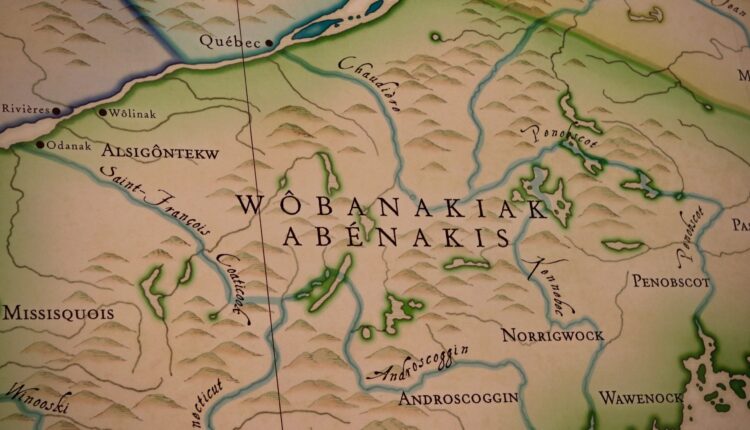
Leaders from four Abenaki groups recognized by Vermont’s state government have developed a new school curriculum focused on their communities’ history. This has sparked controversy, as the curriculum does not include many references to two Abenaki nations based in Quebec, which assert that many members of the Vermont groups do not have legitimate Indigenous ancestry. The Quebec-based nations have criticized the “American Abenaki Curriculum”, stating that it amounts to a “rewriting of history” and “normalizing cultural appropriation”, and a bill is planned that could prevent the curriculum from being used in schools without consultation and endorsement from these nations.
Quebec-based Abenaki Nations Challenge Vermont’s New American Abenaki Curriculum
Leaders from Vermont’s state-recognized Abenaki groups have launched a new school curriculum focused on their history. However, two prominent Abenaki nations from Quebec have challenged the curriculum, accusing the Vermont-based groups of appropriating Abenaki identity and culture.
The Quebec-based Odanak and Wôlinak First Nations have been vociferous in their dissent, stating that many members of the Vermont-based groups lack legitimate Indigenous ancestry. The Vermont groups have retorted sharply, arguing they are defending their cultural heritage.
The newly announced “American Abenaki Curriculum” was developed under the supervision of the Vermont Commission on Native American Affairs—a state government affiliate that advocates for state-recognized groups. The curriculum, designed for 3rd to 12th-grade students, explores the survival and adaptation of the Abenaki people throughout the centuries.
However, the tribal governments of Odanak and Wôlinak in Canada argue that they were unjustly excluded from the curriculum development process. They have labelled the curriculum as a “rewriting of history” and a “normalization of cultural appropriation in public and educational spheres”.
The authors of the new curriculum counter that they focused solely on the unique history of the Vermont-recognized groups. The state Native American Affairs commission’s chair, Dan Coutu, stressed that the curriculum aim is to spotlight “the experiences of Vermonters”.
Contention over New Curriculum
The curriculum announcement sparked controversy. Denise Watso, an Odanak citizen, criticised the curriculum as misleading and protested the exclusion of Odanak and Wôlinak First Nations.
Amid the unfolding drama, Rep. Troy Headrick, I-Burlington plans to introduce a bill to prevent the use of this curriculum in schools without consultation with and endorsement from Odanak and Wôlinak.
The Quebec-based Abenaki nations have made overtures to Vermont legislators to revisit past tribal recognitions. They recently published a report concluding that prominent members of Vermont’s recognized groups were predominantly of European descent. The report was strongly refuted by chiefs of the Vermont-recognized groups.
The First Nations have also initiated a TV campaign to challenge the legitimacy of the state-recognized tribes. This debate is set to continue, with the persistent assertion from the Quebec-based nations that “The truth cannot be ignored.”
—
Read More US Political News