
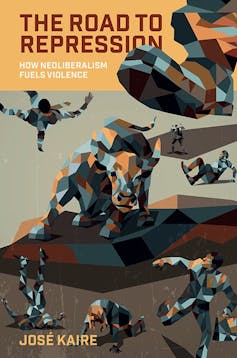
TL/DR –
The 2026 V-Dem report suggests that democracy has been pushed back to levels not seen since 1978, with many of the 92 autocracies worldwide becoming more repressive. Despite theories suggesting that globalized economies would promote democracy, it has been observed that economic liberalization in autocracies often leads to greater repression. In particular, when political elites feel threatened by economic changes, they may seek to maintain control and limit opposition through increased repression, as seen in countries like Mexico, Malaysia, and Senegal.
A Deep Dive into the Increasing Autocratization and its Impact on Democracies
Authors of 2026 V-Dem report highlight a disturbing rise in autocratization, setting democracy back to levels unseen since 1978. Alarmingly, a surge in repressive measures is also being witnessed among the 92 global autocracies.
This rise in autocratic control occurs in parallel with a globalized economy, a scenario political economists predicted would promote democracy in formerly undemocratic nations.

The belief that reducing state’s economic control would limit its capacity to oppress has been a prevailing idea. Economic liberalization, achieved via privatization, deregulation, and market globalization was thought to grant people autonomy, empowering them to oppose authoritarian rulers and demand increased political freedoms.
This concept, endorsed by Nobel laureates Milton Friedman and Friedrich Hayek, played a key role in shaping the Washington Consensus, a model promoting economic liberalization in developing countries. However, real-world results have been rather chaotic, as many nations experienced an increase in human rights violations post-liberalization.
The role of autocratic political elites in shaping this outcome is paramount. Liberalization presents a political threat to these insiders, potentially empowering outsiders such as the emerging business class or opposition leaders who could disrupt the existing power dynamics. This fear forces dictators to resort to repression to maintain the support of their ruling coalition.
Leaders often resort to repressing opposition groups to signal their commitment to protecting elite interests. It’s not just about silencing dissent, but rather managing internal politics. This explains why countries like Mexico saw increased repression post-liberalization.
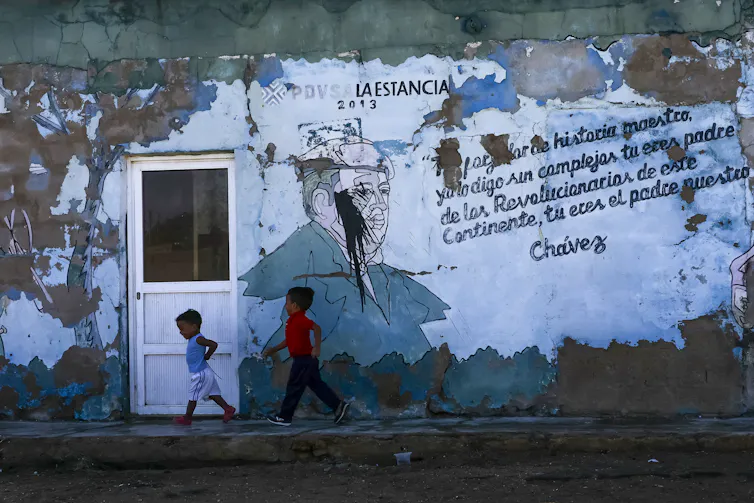
How does this phenomenon relate to current situations in Cuba and Venezuela?
Both nations have undertaken economic reforms under U.S. pressure, and the effects on these countries highlight the key differentiation in my theory – the strength of the regime’s elites relative to the leader. Stronger elites require dictatorial rulers to accommodate them, often by suppressing outsiders to shield insiders from potential challenges.
As Cuba shifts some power from the leader to the party, and its military gains more autonomy, it reveals stronger elites who can demand more from leadership. Consequently, more economic liberalization could lead to increased repression. Recent developments suggest we’re already witnessing this. In a similar vein, Venezuela’s situation remains uncertain post the ouster of Nicolás Maduro. Any future deregulation might exacerbate human rights issues if regime insiders gain more autonomy and influence.
Surprising Findings and Future Applications
Researching this book was a revelation, as more cases reflected a pattern of liberalization leading to repression. The implications of the core argument extended to new areas, as leaders facing international prosecution threats became more repressive to retain power.
The rise of artificial intelligence (AI) presents a new dynamic. China has been aggressively centralizing control over the AI sector, promoting AI-aligned firms and disciplining independent tech entrepreneurs. This may create an alternate support base for leaders, allowing more flexibility in dealing with established elites.
Article by José Kaire, Professor of Political Science, ‘Arizona State University. Republished from The Conversation under a Creative Commons license. Read the original article.
—
Read More US Political News