
Middle East Tensions Drive Up Virginia Fuel Costs and Prices Statewide
Events in the Middle East are reverberating far beyond the region, reaching gas stations and grocery stores across Virginia. As tensions involving the United States, Israel, and Iran disrupt global oil flows, households in the Commonwealth are beginning to see the financial impact in their daily routines.
At the center of the issue is the Strait of Hormuz, a narrow but vital shipping corridor responsible for transporting roughly 20% of the world’s oil supply. Any interruption in this passage quickly affects global energy markets, and those shifts often show up almost immediately in fuel prices across Virginia.
Why the Strait of Hormuz Matters to Virginia
Energy markets are closely watching whether oil shipments can safely move through the Strait. When traffic slows or stops, crude prices tend to climb worldwide. That increase directly affects what drivers pay at the pump.
U.S. Energy Secretary Chris Wright has indicated it may take weeks before the U.S. Navy can safely escort oil tankers through the region. Even if that happens, analysts caution that fuel prices may not decline right away.
Industry experts estimate that even if hostilities ended immediately, it could take one to three months to fully reopen the shipping route and clear the backlog of vessels waiting to pass through.
If instability continues, oil prices could rise further. Some market analysts have warned that prices might reach $150 per barrel under prolonged disruption.
What Virginians Are Experiencing Now
The effects are already becoming visible across the state:
- Gasoline prices are climbing, increasing the cost of daily commutes.
- Diesel fuel, essential for freight transportation, is nearing $5 per gallon.
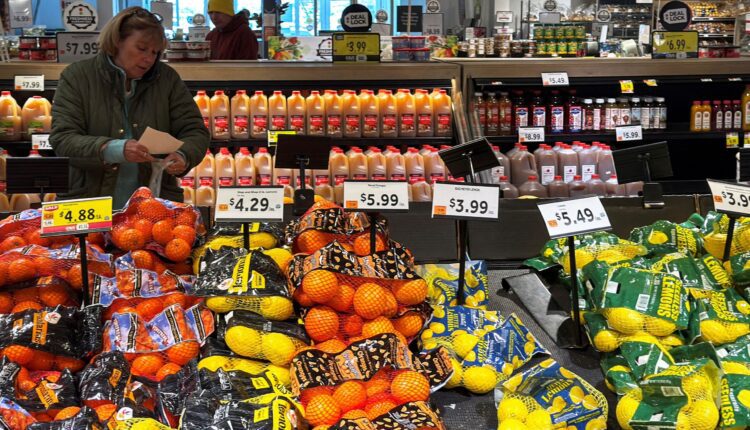
- Higher fuel costs are pushing up expenses for groceries, shipping, and travel.
Virginia’s economy is particularly vulnerable to fuel price spikes. The state depends heavily on trucking and freight movement, maritime trade through the Port of Virginia, and long commuting patterns in areas such as Northern Virginia, Hampton Roads, and Richmond.
As diesel costs rise, transportation companies have begun applying fuel surcharges. Major carriers, including FedEx, are passing those added expenses along to customers. Other businesses are expected to follow.
Consumers may soon notice higher prices on everyday items, including:
- Milk, produce, and seafood
- Online orders and retail purchases
- Airfare and other travel-related costs
Broader Economic Concerns
Sustained increases in energy prices can have ripple effects throughout the economy. Historically, sharp oil price spikes have often preceded economic slowdowns.
Rising fuel costs can:
- Raise operating expenses for Virginia businesses
- Limit household spending as families adjust their budgets
- Strain industries such as transportation, logistics, and tourism
These pressures come as businesses in Virginia are already managing higher costs linked to tariffs and ongoing supply chain challenges. An extended energy disruption could intensify those strains.
Economic analysts are beginning to signal caution. Goldman Sachs recently increased its estimate of a recession this year to 25 percent and projected higher inflation and unemployment.
For many Virginia households, the key issue is how quickly oil shipments can resume normal operations through the Strait of Hormuz. Until stability returns to the region, elevated fuel prices — and the broader cost increases tied to them — are likely to remain part of everyday life in the state.