

Annual Review: ANS / Nuclear Newswire’s Year in Nuclear
TL/DR –
In February, Energy Secretary Chris Wright vowed to “unleash American energy” as per President Trump’s executive orders and outlined plans with a focus on modernizing nuclear power. In May, the Trump administration issued four executive orders aimed at boosting domestic nuclear deployment and reclaiming leadership in nuclear technology. Regulatory changes were made, including updates to the National Environmental Policy Act (NEPA) rulemaking, and changes to the Nuclear Regulatory Commission with the dismissal of several members.
A Shift in Energy Policies Under New Administration
The Department of Energy’s new head vows to promote American energy dominance.
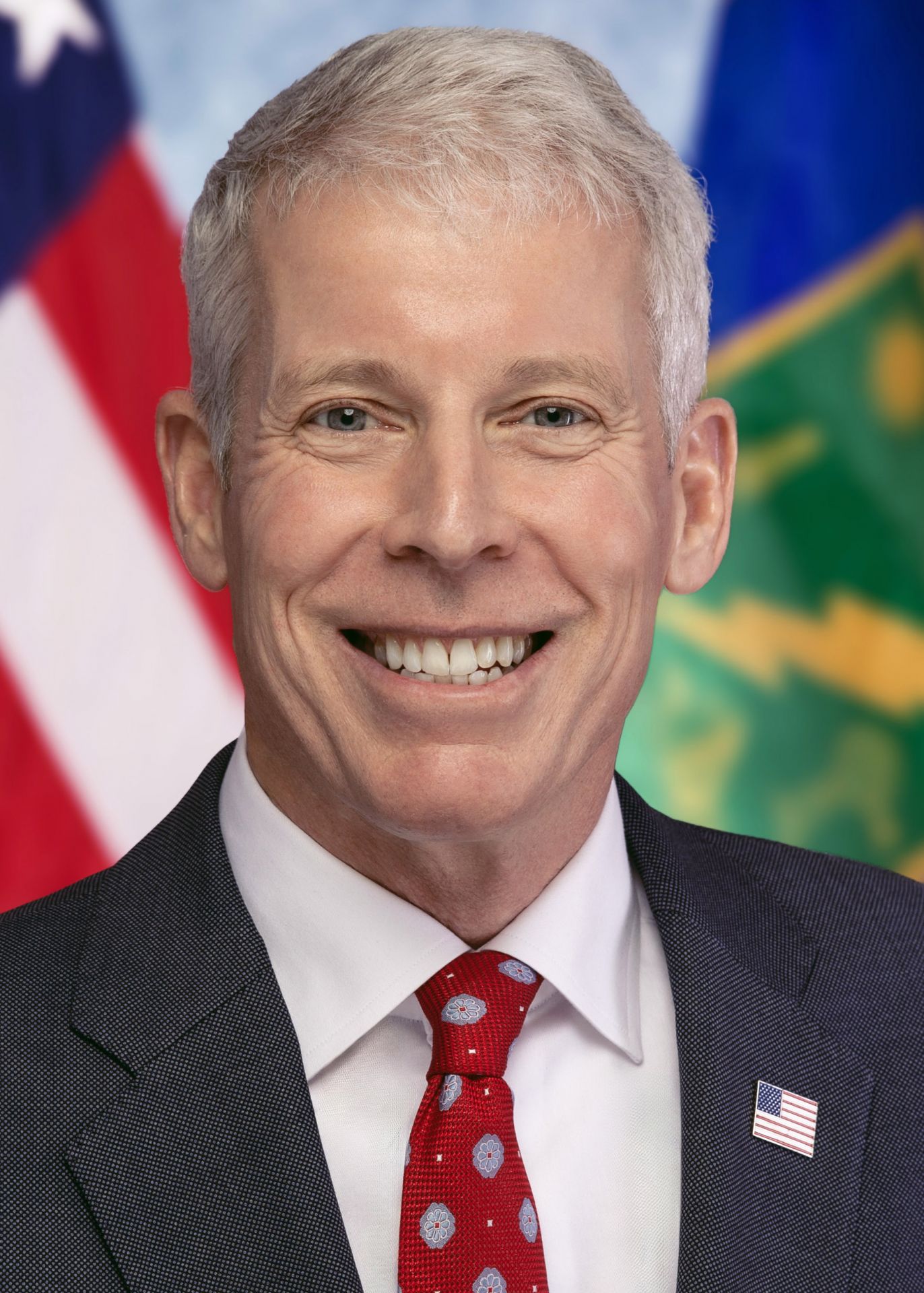
Wright
February: The 5th of February saw Energy Secretary Chris Wright articulating his plans and topmost concerns, among which modernizing nuclear power and eliminating political bias from energy debates, particularly those related to climate change, rank high.
After his confirmation by the U.S. Senate on February 3, Wright responded positively to President Trump’s executive orders, aiming to “unleash American energy.” Trump’s order, issued on January 20, titled “Unleashing American Energy,” requests an immediate audit of “all agency actions that potentially burden the development of domestic energy resources,” which includes nuclear power.
Trump’s Executive Orders Aim to Revamp the Nuclear Industry
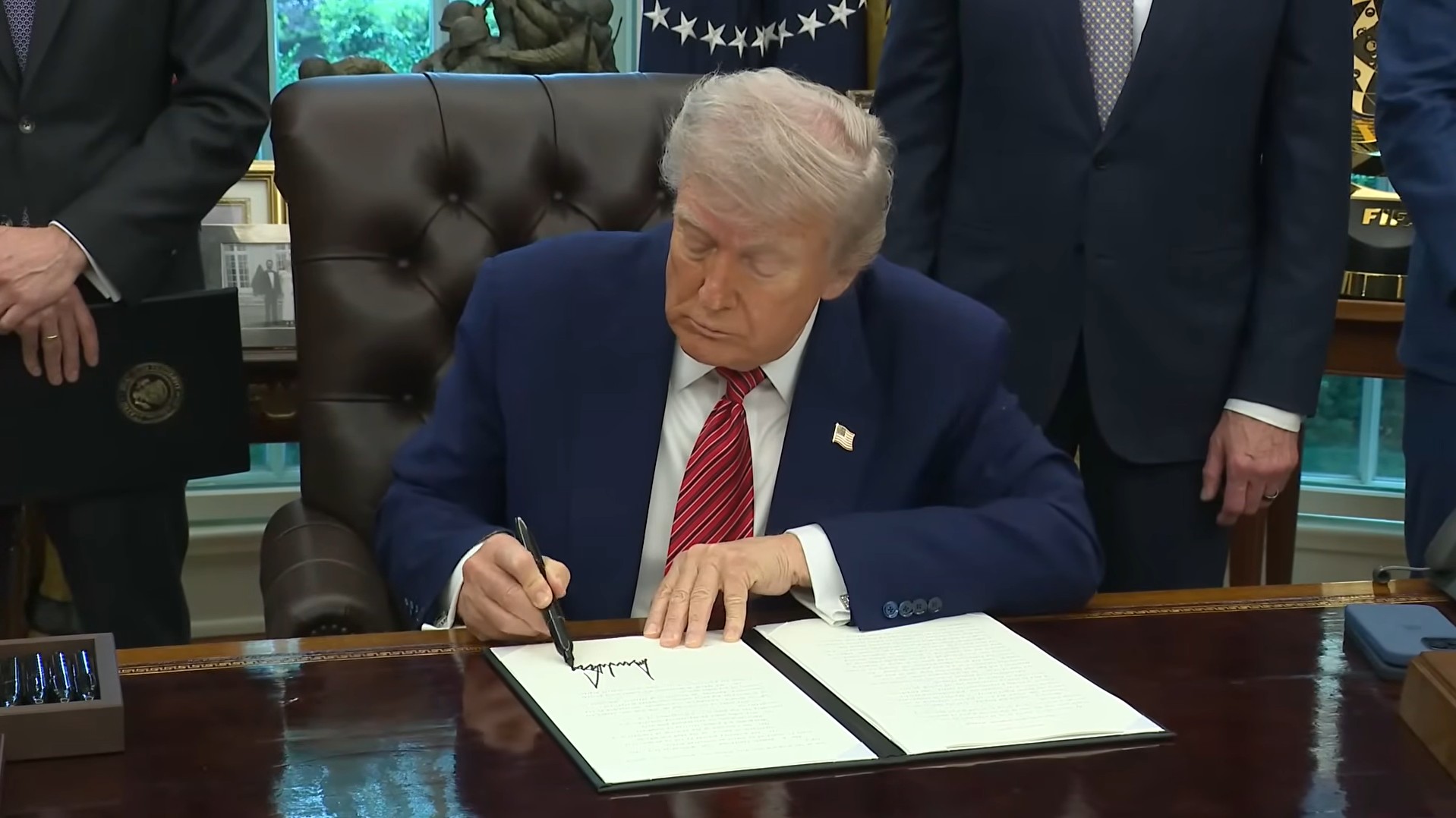
President Trump signs one of the four nuclear-related EOs in the Oval Office. (Photo: White House)
May: The Trump administration rolled out four Executive Orders (EOs) on May 23 with the goal of bolstering domestic nuclear deployment to meet the expected surge in energy demand over the next few decades. The orders also aim to recover leadership in nuclear technology, essential for national security and competitive in the field of AI.
The EO titled “Reinvigorating the Nuclear Industrial Base” is focused on broadening the domestic fuel supply chain and speeding up the reactor licensing process.
“Deploying Advanced Nuclear Reactor Technologies for National Security” directs the Department of Defense to set up a reactor at an installation by 2028 and encourages international nuclear cooperation.
The third EO, “Ordering the Reform of the Nuclear Regulatory Commission,” requires a full review of NRC regulations to lower regulatory obstacles to deployment. The fourth EO, “Reforming Nuclear Reactor Testing at the Department of Energy,” initiates a DOE reactor pilot program and aims to reform the national laboratory process for reactor testing.
DOE Updates NEPA Rulemaking and Procedures to Enhance Reactor Testing Efficiency
June: The Department of Energy (DOE) updated their National Environmental Policy Act (NEPA) rulemaking on June 30, meeting the deadline set by President Trump’s May 23 EO “Reforming Nuclear Reactor Testing at the Department of Energy.” The DOE published an interim final rule retracting existing regulations and introduced new NEPA implementing procedures. The DOE Office of NEPA Policy and Compliance stated that the DOE rulemaking intends to “remove most of the DOE regulations” that encompass NEPA implementing procedures.
Future of Nuclear Power under the Big Beautiful Bill
July: After a lengthy reconciliation process, President Trump signed H.R.1, also known as the One Big Beautiful Bill Act, on July 4. The act adjusted the tax credits established by President Biden’s Inflation Reduction Act, fast-tracking the phaseout of incentives for wind and solar energy, while maintaining support for nuclear, geothermal, and hydropower. Nuclear power also received a new tax credit for advanced facilities that employ a minimum of 0.17 percent of the local population, further strengthening its preferred status under the Trump administration.
Changes in Leadership
Trump Administration Begins Major Changes at the NRC
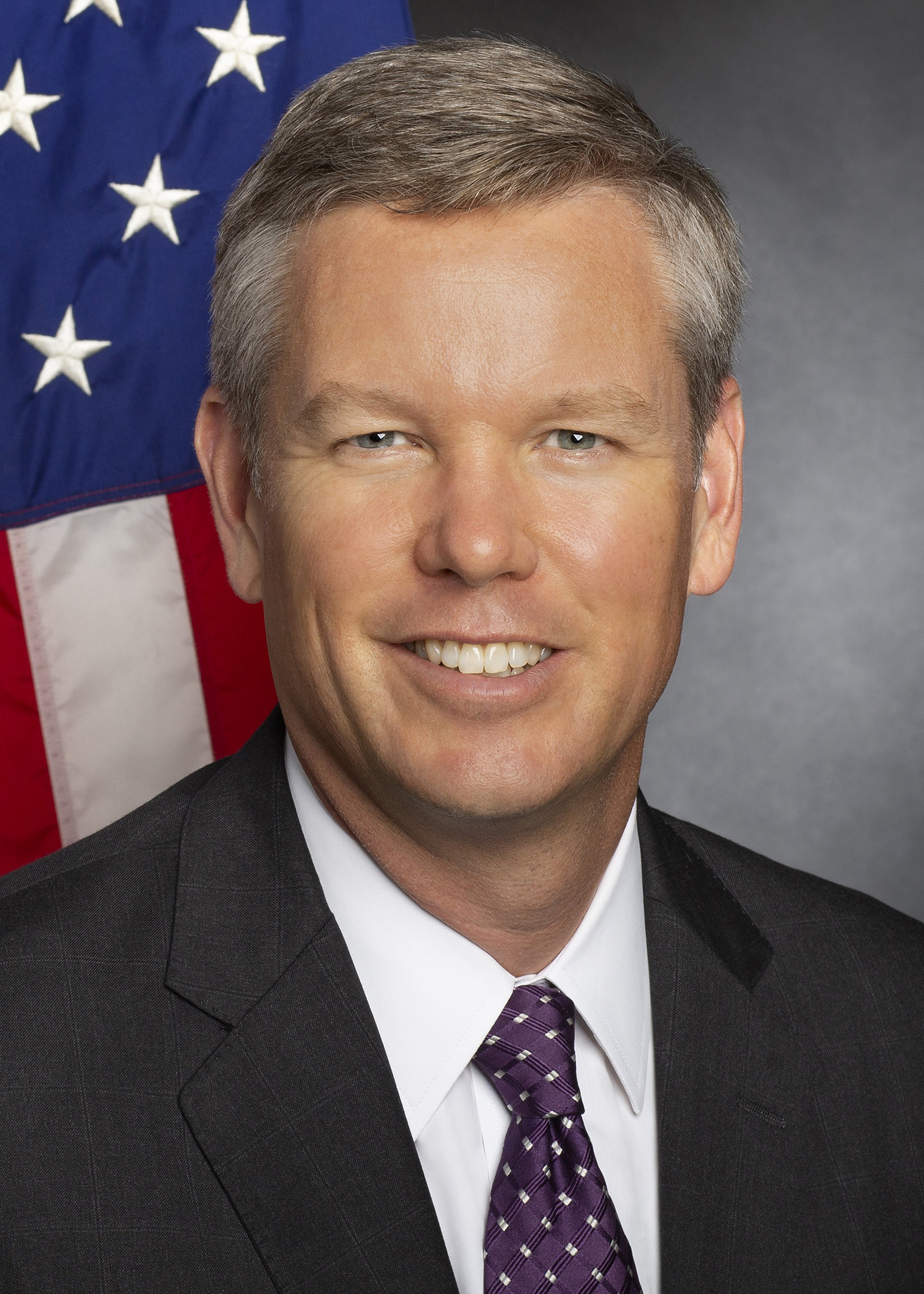
Hanson
June: The Trump administration continued its reforms at the Nuclear Regulatory Commission with the aim of deregulating the energy sector and deploying advanced reactors. On June 13, NRC commissioner Christopher Hanson was dismissed from the agency, leaving a vacancy on the five-member commission.
Trump Removes Majority of Nuclear Waste Oversight Board Members
July: The Trump administration removed seven of the eight members of the Nuclear Waste Technical Review Board in July. The board, an independent federal agency, is responsible for assessing the technical and scientific validity of the Department of Energy’s management and disposal of high-level radioactive waste and spent nuclear fuel.
NRC’s Annie Caputo Resigns and Ho Nieh Gets Nominated to the NRC
July: NRC commissioner Annie Caputo resigned a day after the U.S. Senate voted to reconfirm chair David Wright to the commission, leaving two seats vacant. Following Caputo’s resignation, Ho Nieh was nominated to serve as a commissioner for a term set to expire on June 30, 2029. If confirmed, Nieh would be the first former NRC resident inspector to serve as a commissioner.
—
Read More US Economic News