
Lankford Supports Bill Reducing Oil Tax for Superfund Cleanup | KGOU
TL/DR –
The Pay Less at the Pump Act of 2026 aims to repeal the Superfund tax on crude oil and imported petroleum products to lower gas prices and supply chain costs. The tax was reinstated under the Biden administration’s Inflation Reduction Act (IRA) in 2022, expecting to add $11.7 billion to the existing program over 10 years. The Superfund tax was intended to fund the cleanup of contaminated sites from hazardous waste, but funding for the program has been in decline since 1999.
“`html
The Proposed Pay Less at the Pump Act of 2026 Seeks to Repeal Superfund Tax
In an attempt to reduce gas prices and supply chain costs, Sen. John Barrasso (R-Wyo) and Rep. Mike Carey (R-Ohio) have proposed the Pay Less at the Pump Act of 2026. The proposed legislation seeks to repeal the Superfund tax on crude oil and imported petroleum products.
Superfund Tax Reinstatement Has Historical Context
The Superfund tax, which was reinstated in 2022 as part of the Biden administration’s Inflation Reduction Act (IRA), helps to remediate the country’s Superfund sites. Law firm Babst Calland estimated that the tax would contribute $11.7 billion to the existing program over a decade.
Past Legislation and Current Commentary
Sen. James Lankford, who cosponsored the bill, introduced a similar measure in 2023. He criticized the IRA as a platform for progressives to advance their Green New Deal objectives. StateImpact attempted to contact Lankford’s office for comments on potential effects on Oklahoma’s Superfund sites following the repeal, but received no response.
Background on EPA’s Superfund Program
The Environmental Protection Agency’s Superfund program began several decades ago with the aim to clean up areas contaminated by hazardous waste from mining operations, landfills, and factories. However, a report from the U.S. Government Accountability Office indicates the program’s funding has been declining since fiscal year 1999, thus limiting available resources.
Oklahoma’s Superfund Sites
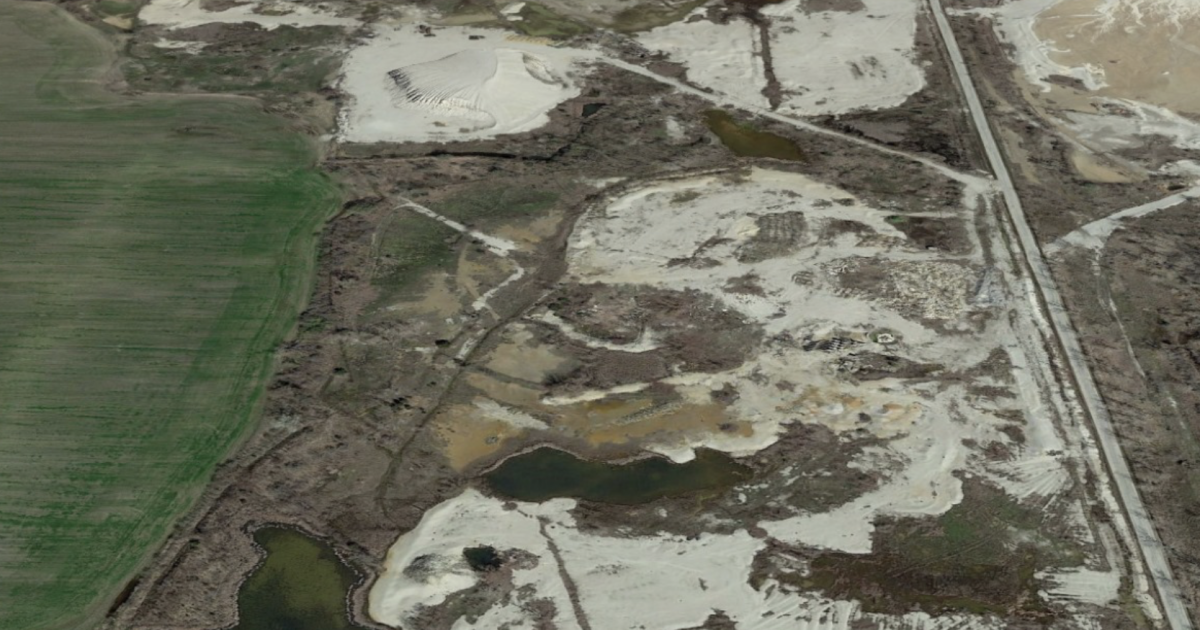
The Oklahoma Department of Environmental Quality collaborates with the federal government to address the state’s Superfund sites. The EPA lists 18 Oklahoma locations as current or former national priorities. Among these, the DEQ identifies Tar Creek in Ottawa County as the “largest and most challenging” of its Superfund sites due to the presence of heavy metals in the area’s water sources and soil. Despite work starting in the 1980s, the former mining operation still has 30 million tons of waste according to a DEQ report.
The proposed Pay Less at the Pump Act of 2026 is currently being reviewed by the Senate Committee on Finance as of Feb. 12.
StateImpact Oklahoma operates on contributions from readers and listeners to provide public service to Oklahoma and beyond. You can donate online.
“`
—
Read More US Economic News