
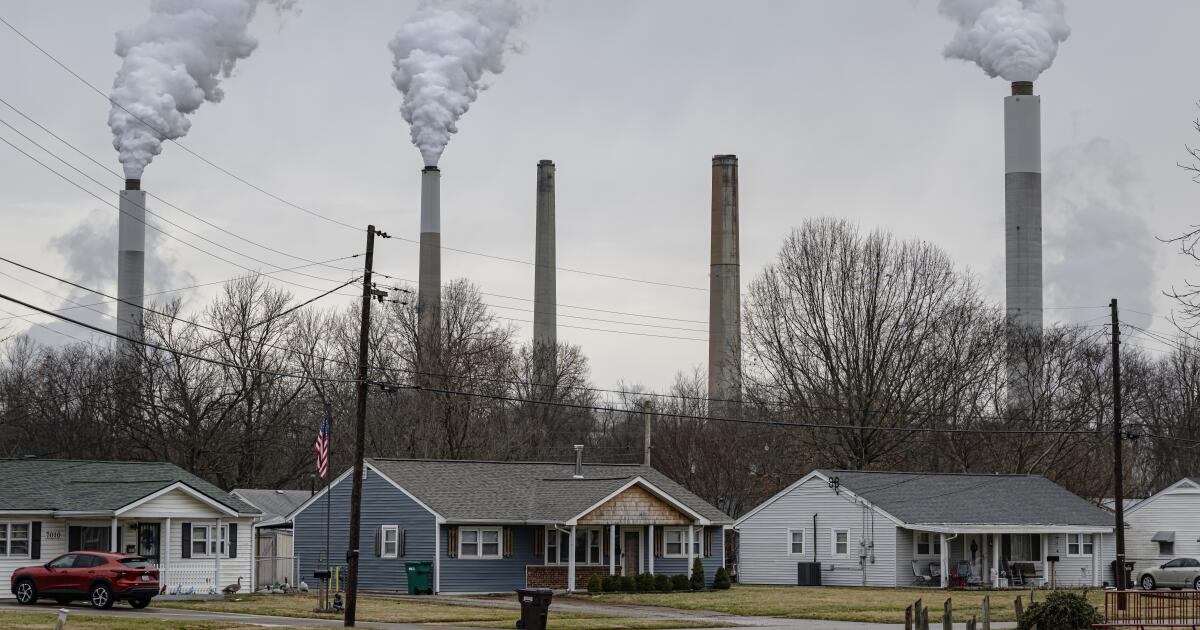
Trump’s Strategy: Boost Oil Production, Tax Data Centers for Energy Costs
TL/DR –
During his State of the Union address, President Trump promised to reduce electricity prices, announcing a new “ratepayer protection pledge” to safeguard residents from high electricity costs where AI data centers are being built. Trump’s administration has significantly altered the federal landscape concerning energy and the environment, reversing many Biden initiatives, cutting funding for renewable energy programs, championing fossil fuel production, and deregulating environmental protection measures. However, these actions have been criticized by environmental groups, who argue that Trump is prioritizing corporate interests over public health and the environment, and others who claim that issues of energy affordability have become a significant concern for voters.
President Trump Promises to Lower Electricity Costs Amidst Growing Concerns
Addressing a key concern of voters during his recent State of the Union address, President Trump pledged to reduce electricity costs. This promise comes at a time when the nation is grappling with rising living costs, with energy affordability at the forefront.
Introducing the “Ratepayer Protection Pledge”
Amidst growing unease about the impact of power-intensive artificial intelligence data centers on electricity prices, the president announced a scheme termed the “ratepayer protection pledge”. According to Trump, under this plan, major tech companies will bear the responsibility of catering to their own power needs. Details about the nature of this pledge are yet to be revealed.
Addressing the aging power grid, President Trump stated, “We have an old grid — it could never handle the kind of numbers, the amount of electricity that’s needed, so I am telling them they can build their own plant. They’re going to produce their own electricity … while at the same time, lowering prices of electricity for you.”
Impact on the Political Landscape
As per recent polling, American citizens are dissatisfied with the current economy and are worried about the cost of living. Experts believe that energy affordability could impact the upcoming midterm elections in November, potentially leading to unfavorable outcomes for Republicans, as it did in a few key races last year in states like New Jersey, Virginia and Georgia.
Electricity Prices on the Rise
Despite the administration’s emphasis on domestic production of oil, gas, and coal, residential electricity bills have escalated noticeably. According to the U.S. Energy Information Administration, the average cost per kilowatt-hour jumped from 15.9 cents in January 2025 to 17.2 cents by the end of December.
Changes Under Trump’s Administration
The current administration has made drastic departures from Biden’s emphasis on electrification and renewable energy. Notable policy changes include cuts in funding for solar programs, the discontinuation of federal tax credits for electric vehicles, and the cancellation of grants for offshore wind power.
In addition to these broad changes, President Trump has also focused on specific regions, notably California. Last year, he attempted to overturn California’s stringent emission standards and cut federal funding for the state’s clean hydrogen energy projects. Furthermore, he announced plans to allow oil drilling on the Pacific Coast for the first time in almost 40 years, a decision that California has vowed to oppose.
The Future of Energy Affordability
According to a tracker from nonprofit Climate Power, Trump’s administration has either canceled or postponed projects that could have powered over 14 million homes. As energy affordability remains a salient issue for voters, the administration’s moves in the energy sector will continue to attract scrutiny and debate.
—
Read More US Economic News