
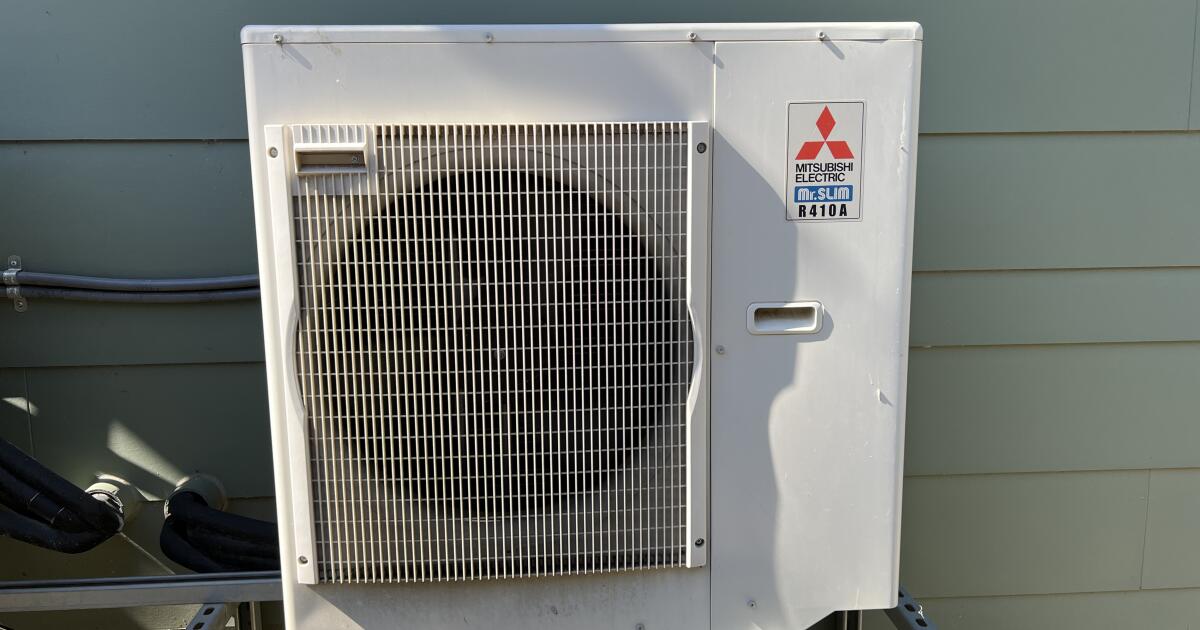
High Power Bills Could Hinder California’s Heat Pump Plan
TL/DR –
Heat pumps are being promoted in California as a more efficient, climate-friendly alternative to gas furnaces. The state aims to install 6 million heat pumps by 2030 as part of its strategy to reduce greenhouse gas emissions. However, high residential electricity prices could deter many homeowners from adopting this technology, despite potential savings on utility bills, especially in areas where homes tend to be larger, winters colder, or electricity more expensive.
“`html
A Closer Look at California’s Predicament Over Heat Pumps
The temperatures are dropping in California this winter, making heat pumps an appealing solution for homeowners. Known as the preferred choice for eco-friendly home heating, these all-electric, energy-efficient alternatives to gas-burning furnaces perform the dual job of maintaining consistent indoor temperatures and acting as AC units.
The Plight of Californian Homeowners
While the idea of lower monthly utility bills is enticing, Californians don’t enjoy this luxury. This is part of the state’s challenging heat pump situation. On the one hand, California is committed to its ambitious plans to lessen greenhouse gas emissions, a major step towards mitigating the adverse ramifications of climate change. Experts widely believe that the transition of buildings to electrical power — mostly in the form of replacing gas-powered furnaces, ovens, and stoves with electrical alternatives powered by the state’s increasingly eco-friendly electrical grid — is key to achieving these goals.
California has a comprehensive plan in place to promote heat pumps, aiming to install 6 million heat pumps in homes by 2030. In a move to promote heat pump usage, lawmakers are considering simplifying permitting and facilitating the conversion of homes to electrical power this year.
On the other hand, California’s residential electricity costs rank amongst the highest nationwide, making heat pumps a hard sell to many Californians, especially when compared to the state’s already pricey natural gas.
A Mixed Bag for California
A recent Harvard University study explains why certain places are more inclined towards heat pumps than others, despite the state’s perfect coastal climate for heat pump use. High residential electricity prices often deter homeowners from replacing their gas furnaces with heat pumps, especially in counties with larger homes, colder winters, or costlier electricity.
Quentin Gee, a manager at the California Energy Commission, explains the thermodynamic advantage of heat pumps. Unlike a gas furnace, which burns fuel to produce heat, a heat pump compresses and expands a refrigerant, bringing heat into a home from the outside — thus delivering multiple units of heat for every unit of electricity used.
Even in regions like PG&E, which might have some of the highest electricity rates in the US, Gee believes that the efficiency of heat pumps can compete with, and at times outperform, gas in terms of operating costs, depending on local rates and home characteristics. In areas with cheaper municipal utilities, such as Sacramento’s SMUD, heat pumps can evidently save money.
However, for a majority of Californian homes that don’t rely on electric heat, making the switch doesn’t always result in savings. According to Lucas Davis, a UC Berkeley energy economist, the price of energy is the best predictor of whether a household opts for electric heating.
Focus on Upfront Costs
Despite being a 19th century invention, heat pumps are often perceived as new technology. Due to climate change concerns and policies, they have outpaced gas furnaces in sales every year since 2021, according to the Rocky Mountain Institute, a clean-energy research nonprofit. Demand surged after 2022, thanks in large part to the Inflation Reduction Act — a Biden-era law that provided homeowners with rebates and tax credits.
Installation costs can run into tens of thousands of dollars, causing most state and federal policies promoting heat pump adoption to focus on reducing these costs. This effort spans multiple agencies in California, from the California Energy Commission and the Public Utilities Commission to utility companies. Simultaneously, state and federal funds have been utilized to cut down upfront costs, particularly for lower-income households.
This year, state lawmakers may consider bills to accelerate the local permitting process for heat pumps and require gas utilities to provide homeowners with cash incentives for transitioning their homes to electric power instead of replacing old gas lines.
Despite these efforts, the inevitable long-term rise in electricity costs remains a significant challenge. The Legislative Analyst’s Office released a report last year warning that California’s residential electricity rates are amongst the highest in the country — nearly double the national average — and are growing at a rate much faster than inflation.
“`
—
Read More US Economic News